
Beginnings
When I started volunteering in prison two years ago, I had no idea my experience working with inmates would lead me here. Although when I look back, it seems a very natural series of events. As a storyteller, it’s hard not to explore why each of these mens stories, mumbled prayers, or silent tears are so potent.
While hosting preliminary interviews, I became strikingly aware of the lack of dialogue around forgiveness, justice, purpose, and humility. This is not to say every conversation needs the cadence of an “after school special”, but I think we can all agree the airtime of these virtues are significantly dwarfed by the onslaught of noise we so numbly wade through every day.
That said, let me provide a some background on the inspiration for this project.
My program emphasizes the possibility of forgiveness for incarcerated individuals. I’ve been “hosting” this course for a while now and I’m still grappling with that word and the power that may be associated with it. Watching these inmates confront questions like “Are there people who don’t deserve forgiveness? Why?” or “Have you ever forgiven someone? What was that experience like for you?” or the real kicker, “Have you forgiven yourself?” is incredibly bizarre and moving. It’s not lost on me some of these men have committed horrible crimes, but it’s also not lost on me these questions—especially the last one—exist for them just as it exists for us. They hear the same four words and seven syllables, but the weight…that exists differently.
For some it’s too heavy, and the possibility that they could have a life beyond their current circumstances is quite literally impossible for them to fathom. To others, a glimmer of hope arrives to meet them, and they dare to accept it’s invitation and take the smallest of first steps towards healing.
Those are the extremes, but I will say that in my experience, the former is more common. There is much accountability, support, and humility that is required of and for them before they would allow themselves to be open to the idea of forgiveness.
However inmates who are in both spaces get released. Released into a society most of them have not been taught how to healthily function in. A society that is—buy-and-large—scared of them, judgemental towards them, and therefore marginalizes them. Prison is a brutal place, but when you’re released into a reality that crashes upon you with such force it demands a reckoning of the actions you’ve taken, and the actions others have taken on you, it’s an entirely different landscape. One viewed through a lens of danger, risk, and survival. No wonder recidivism rates are so high.
According to Stats Canada, there’s an average of 500 inmates released in Canada every day, yet 800 are also locked up at the same rate. An unsustainable ratio that’s already showing; prisons in Canada are bursting at the seams. The one I volunteer in crams 3 men into a 7′ x 9′ cell. You can imagine those living conditions are—at best—poor and unhelpful. Lockdowns are also a common occurrence as the surplus of inmates makes the facility understaffed and under resourced.
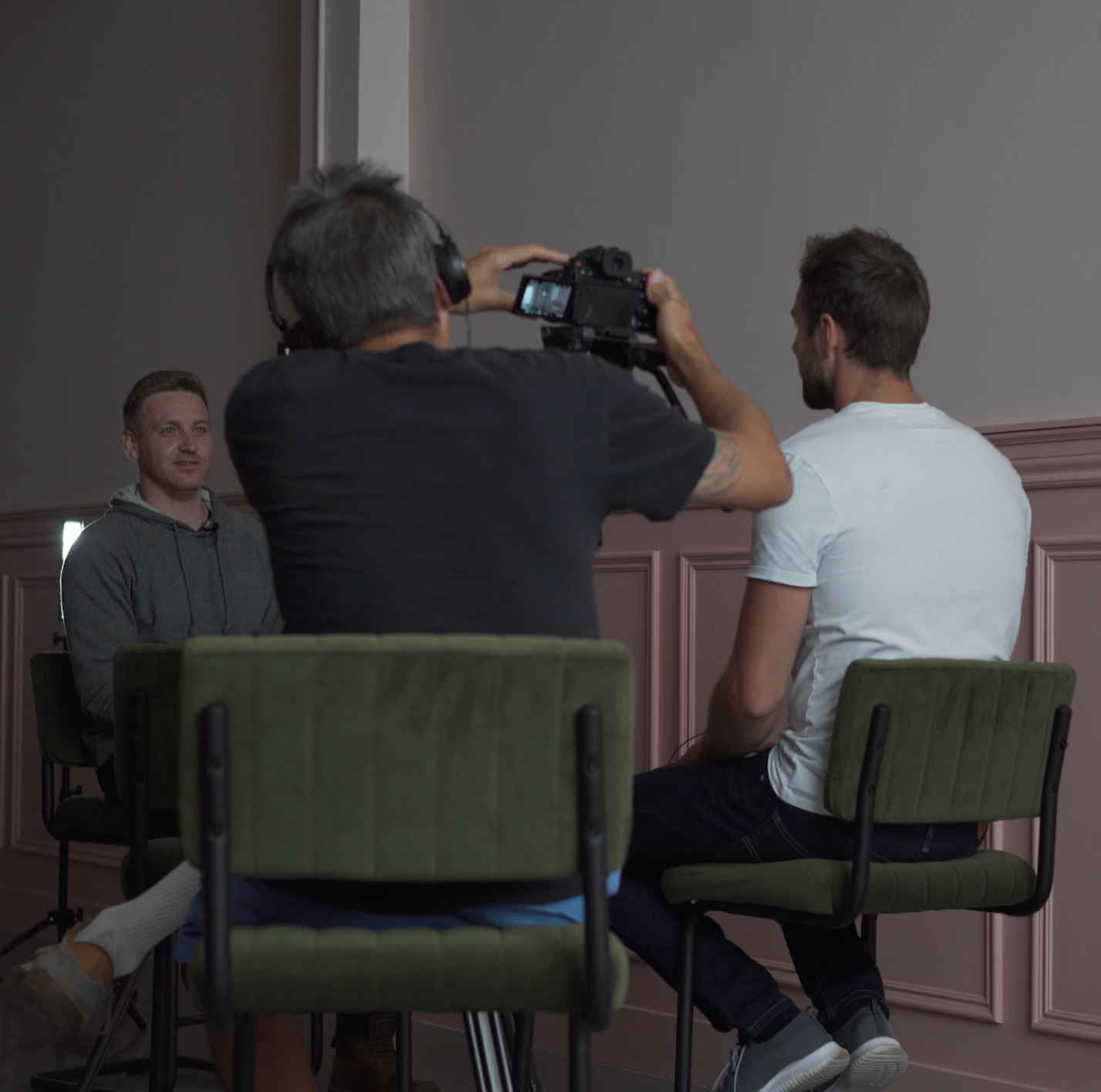
Although it needs work, the goal of this project is not to reform the judicial system, that’s a policy and legal issue. Rather we’re striving to offer a look into the journey of redemption ex-inmates can choose to embark on when they leave the system. The dream would be to not only have this film screened in festivals and cinemas for the public, but also within the very prisons and facilities these stories were formed in, providing inmates with a real example of others who have been where they are, and against all odds broke the cycle of recidivism. How they do that is what we’re filming.
Let’s find out together.
Theo